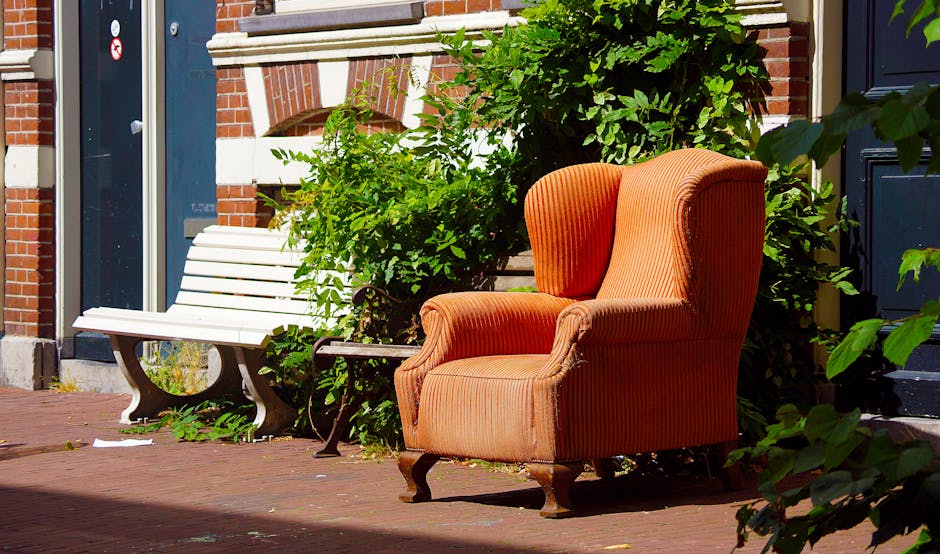
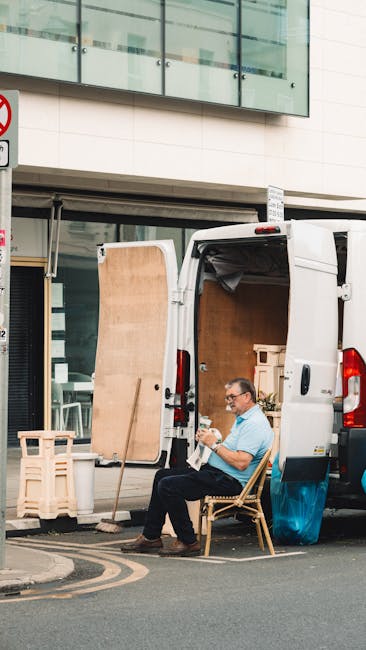
What to know about Woolwich bulky item removals on Powis Street
If you are trying to clear a sofa, mattress, wardrobe, or a few awkward bits of furniture from a flat, shop, or office near Powis Street, the process can feel more complicated than it should. Lifts are small, stairwells are tight, parking can be a nuisance, and bulky waste has a habit of becoming someone else's problem until the last minute. That is exactly why understanding What to know about Woolwich bulky item removals on Powis Street matters before you start shifting things around.
This guide breaks the topic down in plain English. You will learn how bulky item removal typically works in Woolwich, what to check before booking, where the common trip-ups are, and how to make the whole job smoother. It also covers practical things people often forget, like access, timing, recycling, and what a reliable provider should be ready to explain. Truth be told, the difference between a decent removal and a stressful one is often just a bit of planning.
For readers who want to understand the wider business behind the service, you can also take a look at the company's about us page, along with its insurance and safety and recycling and sustainability information. Those pages are useful if you want reassurance before you book.
Table of Contents
- Why What to know about Woolwich bulky item removals on Powis Street Matters
- How What to know about Woolwich bulky item removals on Powis Street Works
- Key Benefits and Practical Advantages
- Who This Is For and When It Makes Sense
- Step-by-Step Guidance
- Expert Tips for Better Results
- Common Mistakes to Avoid
- Tools, Resources and Recommendations
- Law, Compliance, Standards, or Best Practice
- Options, Methods, or Comparison Table
- Case Study or Real-World Example
- Practical Checklist
- Conclusion
- Frequently Asked Questions
Why What to know about Woolwich bulky item removals on Powis Street Matters
Powis Street sits in a busy part of Woolwich, so bulky item removals there are rarely a simple lift-and-go job. Even if the item itself is straightforward, the surroundings often are not. Narrow pavements, nearby traffic, shared entrances, permit-style parking concerns, and the usual London mix of flats above shops can all complicate collection day. If you ignore those details, a quick job can turn into a long afternoon.
That is why this topic matters to homeowners, tenants, landlords, shop managers, and office occupants alike. A bulky item removal is not just about getting rid of something heavy. It is also about avoiding damage to walls, floors, doors, and communal areas. It is about making sure items are handled safely. And, to be fair, it is about saving yourself from trying to wrestle a broken sofa down a staircase at 7:30 on a wet Tuesday morning. Nobody enjoys that scene.
There is also a practical environmental side. Bulky items often contain materials that should be reused, recycled, or disposed of carefully. A thoughtful removal approach can reduce waste and help keep good-condition items out of landfill where possible. If you care about responsible disposal, the company's recycling and sustainability page is worth a look because it shows the sort of standards you should expect from a careful provider.
Expert summary: The real value of bulky item removal is not just lifting heavy objects. It is removing them safely, legally, and with as little disruption as possible, especially in a tight local environment like Powis Street.
How What to know about Woolwich bulky item removals on Powis Street Works
In most cases, bulky item removal follows a simple pattern: you describe the item, give access details, get a quote, and agree a collection time. Simple on paper. In real life, the details matter. One of the biggest differences between a smooth removal and a stressful one is how accurately you describe what needs moving.
A good provider will usually want to know the type and number of items, whether there are stairs or lifts, how far the item needs to be carried, and whether there are any access issues on Powis Street itself. A fridge on the ground floor is one thing. A large wardrobe from a third-floor flat with no lift is another altogether. That extra context affects labour, vehicle choice, and timing.
Here is the basic flow you can expect:
- Initial enquiry: You share item details and location specifics.
- Quote or estimate: A provider gives a cost based on volume, labour, access, and disposal needs.
- Booking: A time slot is arranged, ideally with enough flexibility for traffic or access delays.
- Collection day: The team arrives, confirms the items, and removes them carefully.
- Sorting and disposal: Items are separated for reuse, recycling, or waste processing where appropriate.
That last step is often invisible to the customer, but it matters. You want confidence that the team is not simply dragging everything away and hoping for the best. When you review the provider's health and safety policy and terms and conditions, you get a clearer sense of how seriously they take the job.
What usually counts as a bulky item?
People sometimes think bulky waste only means enormous things. Not really. It can include sofas, armchairs, mattresses, bed frames, wardrobes, tables, white goods, filing cabinets, display units, and similar awkward household or business items. The key idea is not just weight. It is size, handling difficulty, and whether normal household waste collection can manage it. If it is the sort of thing two people need to manoeuvre carefully, it probably belongs in this category.
Key Benefits and Practical Advantages
The obvious benefit is convenience. You do not have to hire a van, recruit a friend with a bad back, or spend an entire weekend trying to dismantle something with one stubborn screw. But the useful benefits go beyond convenience.
- Less physical strain: Heavy lifting is one of those tasks that seems manageable until you are halfway down the stairs. Then the corners start to matter.
- Reduced property risk: Professionals are less likely to scrape walls, chip paint, or damage shared hallways.
- Better time control: A planned collection is much easier to fit around work, school runs, or shop opening hours.
- Cleaner disposal route: A proper removal should prioritise reuse and recycling where possible.
- Less disruption to neighbours: Shorter, better-managed removals are simply kinder in communal buildings.
There is also peace of mind. If you know who is arriving, what they are handling, and how the items will be dealt with, the whole process feels less chaotic. On a street like Powis Street, where people are often balancing deliveries, customers, and daily footfall, that certainty is more valuable than it sounds.
For customers who care about price transparency, the pricing and quotes page can help you understand how a sensible quote process should be presented. Clear pricing is not a luxury. It is basic trust.
Who This Is For and When It Makes Sense
Bulky item removals are useful for a lot of different people, not just when someone is moving house. In fact, many jobs happen because one oversized item has become a nuisance rather than because of a full move.
Typical situations where it makes sense
- Tenants moving out: You may need to clear furniture before an inventory check or handover.
- Landlords: End-of-tenancy clearances often leave behind awkward items that need swift removal.
- Shop owners: Display units, shelving, damaged stock fixtures, and old counters often need lifting out between trading periods.
- Office managers: Desks, chairs, cabinets, and unused equipment can build up quietly over time.
- Homeowners: That old sofa in the spare room has probably been "temporary" for far too long.
It also makes sense when you do not have the right vehicle, enough helpers, or the confidence to move something safely yourself. There is no prize for improvising badly. A quick assessment is better than a risky carry.
If you are unsure whether your job is small enough to discuss informally or large enough to need a more structured quote, the safest step is to contact the team and describe the items plainly. No need for fancy language. Just say what it is, where it is, and how you access it.
Step-by-Step Guidance
If you want a smoother removal on Powis Street, preparation is half the battle. Here is the process I would recommend in practical terms.
1. Identify exactly what is going
Make a list of every item you want removed. Be specific. "Large sofa," "double mattress," "two office chairs," "broken wardrobe," and so on. If there are parts that can be dismantled, note that too. It helps a lot.
2. Measure the awkward bits
You do not need to run a full survey, but a few measurements can stop problems later. Door widths, stair turns, lift dimensions, and corridor widths matter more than people expect. That slightly too-wide chest of drawers has a way of making itself known halfway down the landing.
3. Check access and parking
Powis Street is not the place to assume loading will be effortless. Think about where the vehicle can stop, whether there are restrictions, and how far the team will need to carry the item. If access is poor, say so early. It is much better to be upfront than to discover the issue when the team arrives.
4. Ask how the item will be handled
Will it be reused, recycled, or disposed of? What happens if the item is damaged, heavily soiled, or partly dismantled? A good provider should explain the likely route clearly. If they are vague, that is not ideal.
5. Confirm pricing and timing
Make sure you understand whether the quote is fixed or estimated, what might change the price, and when payment is due. If you are reviewing the financial side in advance, the payment and security information is useful for checking how the company handles transactions.
6. Clear the path
Move small objects, rugs, shoes, and loose clutter away from the route the item will travel. This sounds minor. It is not. A clear path reduces the chance of slips and makes the move much quicker.
7. Stay reachable on the day
Sometimes the person on site needs to confirm a lift, opening code, or gate access. Keep your phone nearby. That one-minute delay can save twenty minutes of faff.
Expert Tips for Better Results
Over time, the biggest improvements usually come from small habits, not dramatic ones. Here are the details that make a real difference.
- Book before the deadline is urgent: Last-minute removals are possible, but they often leave less room for planning and can be more stressful.
- Disassemble where sensible: A bed frame with the slats removed is easier to handle than one solid mass of awkward timber.
- Photograph items beforehand: A quick photo helps avoid misunderstandings about condition or size.
- Tell the truth about access: If there is no lift, say so. If the item is in a basement, say so. Saves everyone time.
- Protect shared areas: If you live in a block, consider how items will pass through hallways, doorframes, and communal entrances.
One small but useful habit: keep a note of what is being removed and from where. It sounds almost too simple, but when you are dealing with several items and a busy schedule, that little list keeps everyone on the same page. And yes, I have seen jobs drift sideways just because someone assumed "the old chair in the back room" was obvious. It wasn't.
You may also want to review the company's insurance and safety information before booking, especially if the items are valuable, fragile, or being removed from tight internal spaces. Good removal work should feel calm, not improvised.
Common Mistakes to Avoid
Most bulky item removal problems are avoidable. That is the slightly annoying part. People usually know the job is awkward, but they underestimate just how awkward it will be. A few common mistakes keep showing up.
- Underestimating size: Furniture always looks smaller in the room than it does in the doorway.
- Forgetting about access: Stairs, corners, locks, and parking all affect the job.
- Waiting too long: This is the classic one. The item sits there for weeks, then suddenly becomes an emergency.
- Not asking about disposal: You should know what happens to the item once it leaves your property.
- Skipping the paperwork: Terms, payment expectations, and service limits are worth reading, even if you are busy.
One especially common issue on mixed-use streets like Powis Street is assuming the collection point is straightforward because the item is visible from the street. It is not always that simple. There may still be internal movement, access barriers, or timing issues around loading. Better to check than to guess.
If something goes wrong or you need to raise a concern, a provider's complaints procedure should explain how issues are handled. That is a good sign in itself. Nobody expects perfection, but everyone should expect a fair response.
Tools, Resources and Recommendations
You do not need a full workshop to prepare for bulky item removal, but a few basic tools help enormously.
Useful items to have on hand
- Measuring tape for doors, stair turns, and the item itself
- Strong gloves for light handling or tidying edges
- Basic screwdriver or allen key set for dismantling furniture
- Phone camera to document the item and access point
- Blankets or corner protectors if you need to shield surfaces
- Bin bags or boxes for loose screws, fittings, and small components
There are also a few non-physical resources that matter just as much. The company's homepage can give you a broad overview of the service, while its pricing and quotes and contact us pages help you move from planning to booking. If you want to understand service values and wider standards, the about us and health and safety policy pages are worth reviewing too.
Small recommendation, but a useful one: if the item is especially awkward, send a photo when you enquire. It can prevent a lot of back-and-forth. And frankly, it gives everyone a clearer picture than a description ever will.
Law, Compliance, Standards, or Best Practice
Bulk item removal in the UK is not something to treat casually. You do not need to become a compliance expert, but you should understand the basics. Responsible providers should handle waste in a way that is lawful, safe, and environmentally considered. They should also be clear about their own processes, limitations, and what happens if something cannot be moved as expected.
For customers, the most practical standard is simple: use a provider that is transparent about safety, handling, and disposal. If a company has clear public information on matters such as insurance, safety, payment, privacy, and terms, that usually signals better organisation. It may sound boring. It is not boring when you are halfway through a stairwell with a sofa that refuses to turn.
Best practice also means taking care with shared buildings. Residents, landlords, and business tenants should avoid blocking fire routes, damaging communal property, or leaving items in inappropriate places while waiting for collection. In a place like Powis Street, where people move in and out constantly, respect for access and timing matters. It just does.
If your decision involves data handling, online payment, or booking details, you may also want to review the provider's privacy policy and payment and security pages so you know how information is managed. That is part of good practice too.
Options, Methods, or Comparison Table
Different people tackle bulky items in different ways. There is no single correct approach, but some methods fit Powis Street better than others.
| Method | Best for | Strengths | Limitations |
|---|---|---|---|
| DIY removal | Very small items, easy access, strong helpers available | Cheap in cash terms, flexible timing | Higher risk of injury, vehicle hassle, damage risk, disposal can be tricky |
| Van and labour service | Single items or a few bulky pieces | Good balance of cost and convenience, flexible for awkward access | Needs accurate item details and access info |
| Full waste clearance | Multiple items, mixed rooms, cluttered spaces | Efficient for larger clear-outs, less hands-on effort for the customer | May be more than you need for one or two items |
For most people on Powis Street, a van-and-labour approach is the sweet spot. It is often more sensible than trying to do everything yourself, but less disruptive than a full-scale clearance. That said, if you have a single small item and very easy access, DIY may still be fine. The right choice depends on the job, not on a rule of thumb someone made up in the pub.
Case Study or Real-World Example
Here is a realistic example based on a typical Powis Street-style job.
A small shop closes early and needs two old display cabinets, one damaged office desk, and a heavy broken chair removed before a refit the next morning. The items are on the first floor, the stairwell is narrow, and the loading space outside is limited to a short window. The owner originally thought it would take "about ten minutes." It rarely does, of course.
What made the job work well was simple preparation. The owner sent photos in advance, measured the stairwell, and confirmed the preferred access time. The removal team came ready with the right lifting approach, cleared the items carefully, and protected the route through the building. Because the owner had already moved smaller clutter and confirmed the access details, the collection finished without drama and the refit could begin on time.
The interesting part was not the lifting itself. It was the planning. That is usually how it goes. Most good removals look almost boring when they are done properly. And honestly, that is the aim.
Practical Checklist
Use this checklist before collection day. It will save you from that awful moment when the team arrives and you realise one crucial thing is still not sorted.
- Have I listed every bulky item that needs removing?
- Have I measured doors, stairs, and any tight turns?
- Have I checked whether there is a lift, and whether it works?
- Have I confirmed where the vehicle can stop on or near Powis Street?
- Have I shared photos or a clear description of the items?
- Have I asked how the items will be reused, recycled, or disposed of?
- Do I understand the price, payment method, and any likely extras?
- Have I cleared the route through the property?
- Have I protected floors or walls if needed?
- Have I saved the provider's contact details for the day?
If you can tick most of those off, you are in a good place. Not perfect, maybe, but comfortably prepared. That is enough for a smooth removal in most cases.
Conclusion
What to know about Woolwich bulky item removals on Powis Street really comes down to three things: understand your item, understand your access, and choose a provider that is clear about safety, pricing, and disposal. Once those pieces are in place, the rest becomes much easier. You are no longer guessing. You are coordinating.
That matters in a busy local setting. Powis Street is not the kind of place where you want avoidable delays, last-minute surprises, or heavy lifting done on the fly. A little preparation makes the whole process calmer, quicker, and safer. And if the item has been sitting there for weeks, there is a real relief in finally seeing it go. One less thing in the way.
Get a free quote today and see how much you can save.
When the job is handled well, it has a neat, satisfying finish to it. The room feels lighter. The corridor is clear. And you can move on with your day, which is usually the point.
Frequently Asked Questions
What counts as a bulky item in Woolwich?
Bulky items are usually large or awkward objects such as sofas, mattresses, wardrobes, beds, tables, cabinets, and white goods. The key issue is whether they need special handling because of size, weight, or access.
How do I prepare for a bulky item collection on Powis Street?
Measure the item, check access, clear the route, and share photos or a clear description with the provider. If there are stairs, lifts, or parking restrictions, mention them early.
Can bulky item removals handle items from upper floors?
Yes, in many cases they can. The important part is giving accurate access information so the team can judge labour needs and plan the lift safely.
Is it cheaper to remove one item or several at once?
Often, removing several items together is better value than booking separate visits. The exact pricing depends on volume, labour, and access, so a proper quote is the best route.
What should I ask before booking a removal service?
Ask how the quote is calculated, what access details matter, how disposal is handled, whether the team is insured, and what happens if the item is larger than expected.
Do I need to dismantle furniture before collection?
Not always. But if you can safely dismantle a bed frame or table, it may make the job easier and sometimes quicker. Only do this if it is safe and practical.
What happens to the items after they are collected?
That depends on their condition and the provider's process. Good practice is to separate items for reuse, recycling, or disposal where appropriate rather than sending everything the same way.
How far in advance should I book?
As early as possible, especially if you need a specific time slot or have access limits. Some removals can be arranged quickly, but leaving it late usually reduces flexibility.
What if my item is too heavy for me to move to the door?
Say so when you enquire. A decent removal team should know how to handle items from their current location, provided access details are clear and the job is safe to complete.
Are there safety issues with moving bulky items myself?
Yes. Heavy lifting can cause injury, and large furniture can damage walls, floors, and doorframes if it is handled badly. If you are unsure, it is usually wiser to avoid pushing your luck.
How do I know if a quote is fair?
A fair quote should reflect the number of items, the amount of labour, access difficulty, and disposal requirements. If the price seems vague, ask for the factors behind it in plain language.
Where can I find more information about policies and service standards?
Useful pages include the company's terms and conditions, insurance and safety, and about us information. They help you understand expectations before booking.